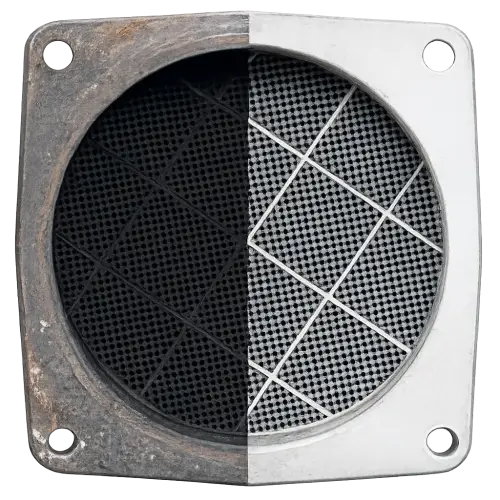
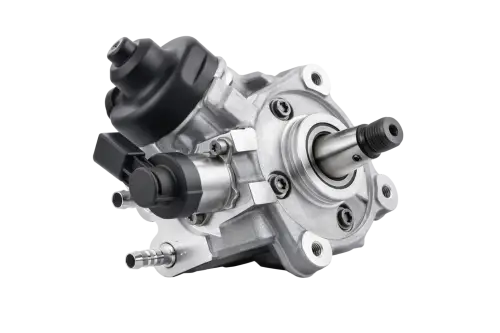
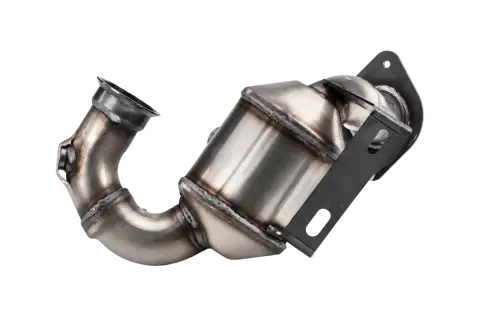
The Diesel Particulate Filter, commonly known as the DPF, is an essential component in modern diesel vehicles. Its main purpose is to capture and store soot particles produced during combustion before they are released into the atmosphere. By trapping these particles, the DPF helps reduce harmful emissions and keeps diesel engines compliant with environmental standards.
Over time, the filter naturally becomes filled with soot and ash. Under normal driving conditions, the system performs a process called regeneration, where the trapped soot is burned off at high temperatures. However, certain driving habits and engine issues can prevent successful regeneration, causing the filter to become blocked.
One of the most common signs of a clogged DPF is reduced engine performance. Drivers may notice sluggish acceleration, loss of power, higher fuel consumption, or warning lights appearing on the dashboard. In more severe cases, the vehicle may enter limp mode to protect the engine from further damage. Excessive smoke from the exhaust or frequent regeneration cycles can also indicate a failing DPF.
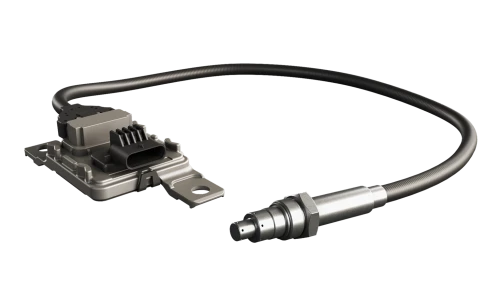
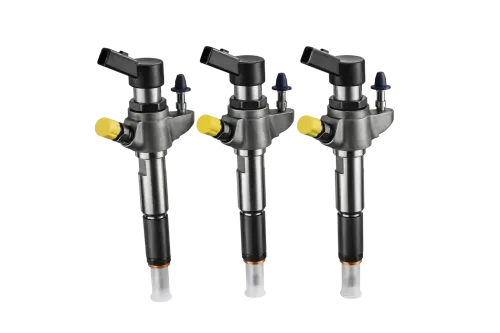
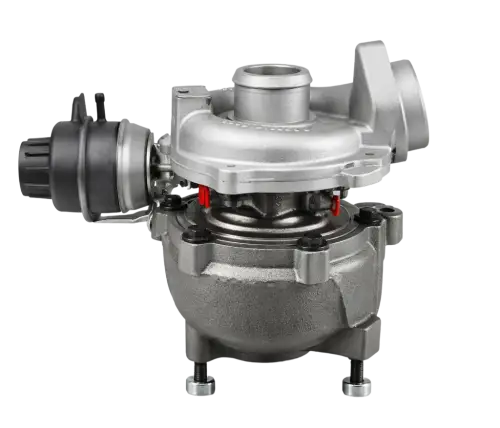
Short journeys and city driving are among the leading causes of DPF problems. Because the engine does not reach the necessary temperature for regeneration, soot continues to accumulate inside the filter. Faulty injectors, turbocharger issues, or defective sensors can also contribute to excessive soot buildup and shorten the lifespan of the DPF.
Replacing a damaged or heavily clogged DPF is often the best solution when cleaning or regeneration no longer works. A new DPF restores proper exhaust flow, improves fuel efficiency, and ensures the vehicle meets emission requirements again. Delaying replacement can lead to serious engine problems and costly repairs to other emission system components.
Regular maintenance plays a major role in extending the lifespan of a DPF. Using high-quality engine oil, driving the vehicle at motorway speeds occasionally, and addressing engine faults early can help prevent premature blockage. Investing in a quality replacement DPF guarantees better reliability, improved performance, and cleaner emissions for the long term.

 nl
nl fr
fr